
Morocco is attracting serious real estate capital for the first time from a genuinely diverse pool of international investors. Gulf sovereign funds, European family offices, HNWI's, and North American institutional players are all active in the market — and the backdrop for all of them is the same: Morocco is co-hosting the 2030 FIFA World Cup alongside Spain and Portugal, it recorded 17.4 million tourist arrivals in 2024 (a 20% increase from 2023), and the government has committed billions to infrastructure upgrades that will be permanently embedded in the economy long after the matches are played.
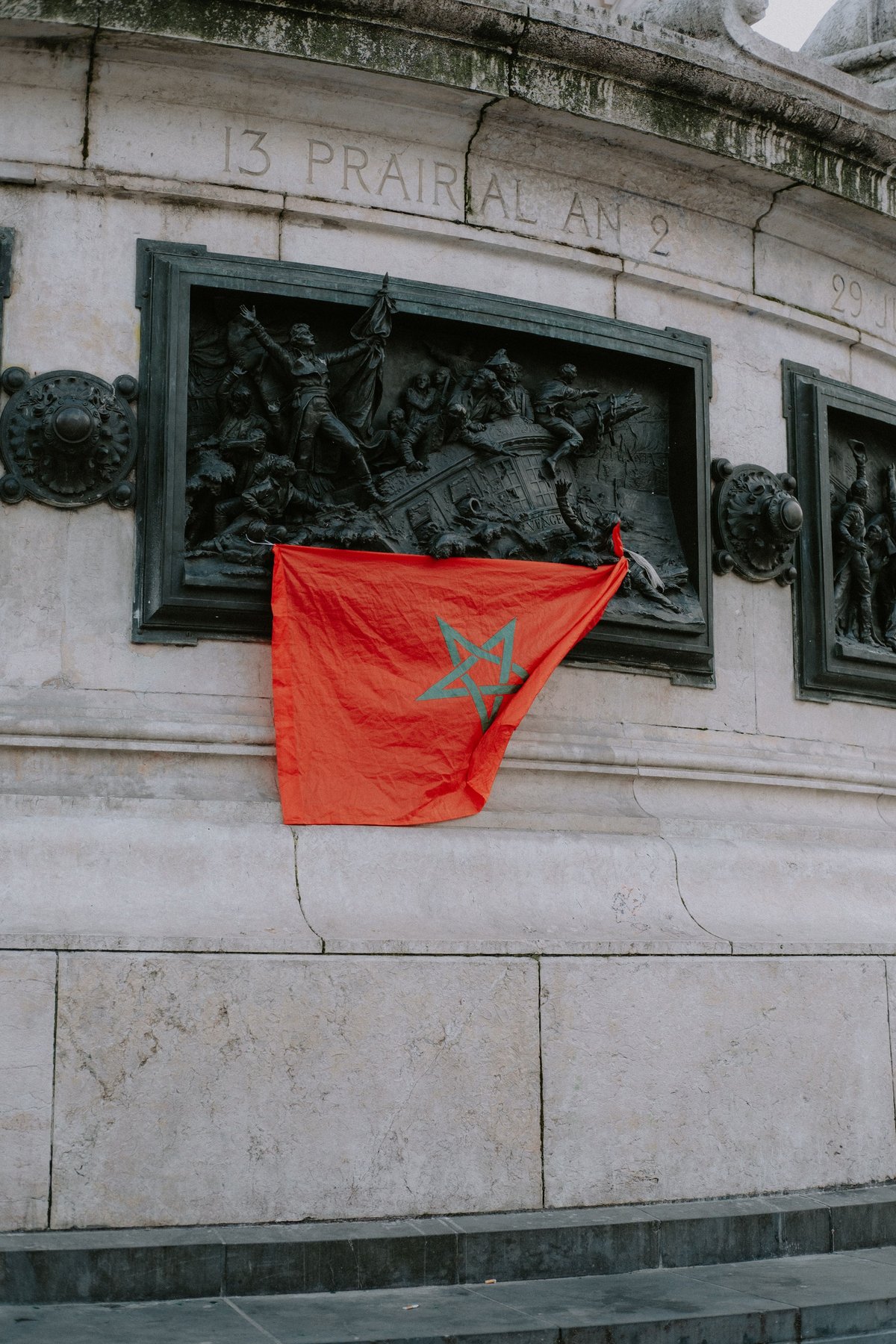
Morocco is emerging as one of North Africa's most active destinations for international real estate capital
This article covers where the investment is going, how international investors are structuring their holdings, what the regulatory and tax environment looks like, and how the World Cup pipeline is reshaping the opportunity set.
Where International Capital Is Going
Five cities dominate the international investment conversation, each with a distinct investment profile.
Casablanca is Morocco's commercial and financial capital. Casablanca Finance City (CFC) has established itself as one of Africa's leading financial hubs, attracting multinationals, investment platforms, and institutional capital. Real estate demand here is driven by long-term corporate tenants — the market is less tourist-dependent and more stable on a yield basis. Land prices in Casablanca rose 3.4% in 2024 according to Bank Al-Maghrib and ANCFCC data, even as residential prices softened slightly, reflecting continued institutional confidence in land and commercial development.
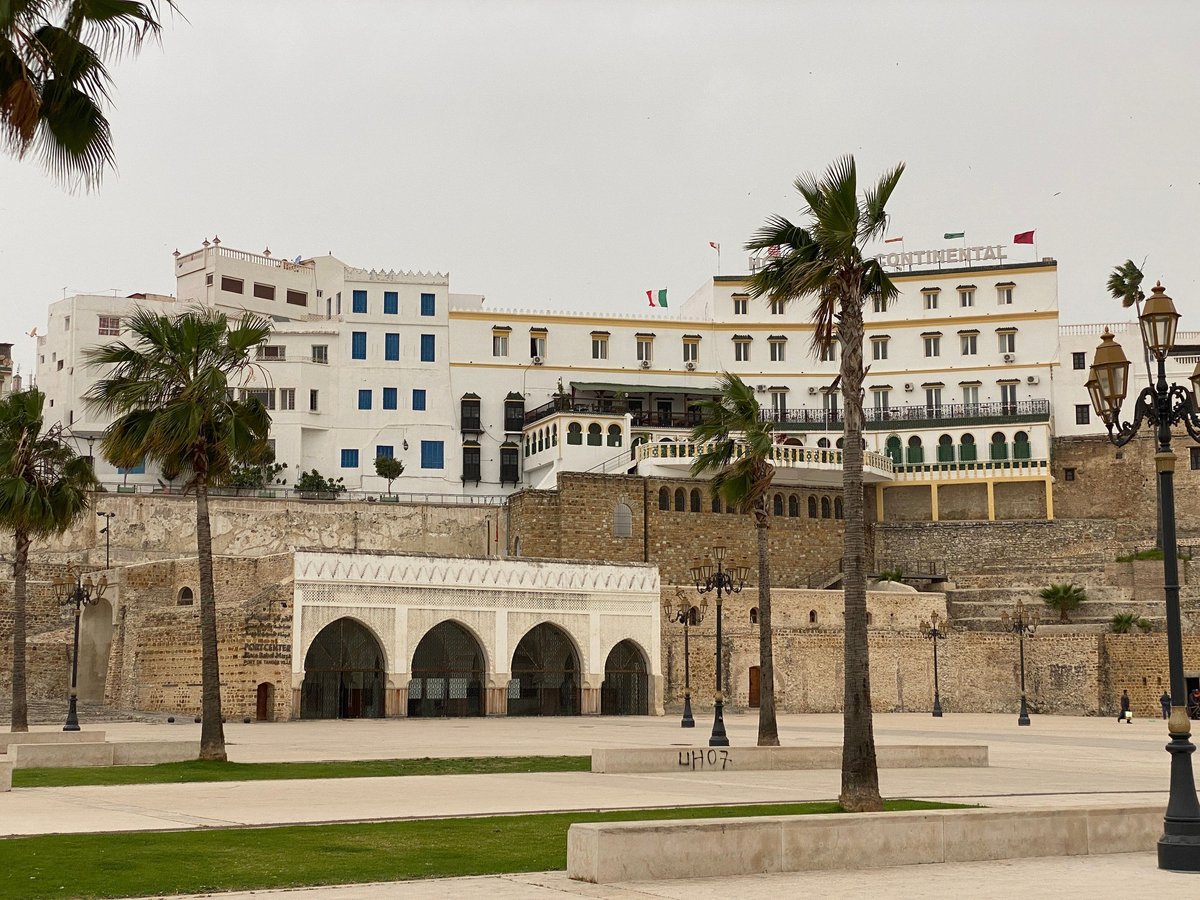
Casablanca — Morocco's financial and commercial capital, anchored by Casablanca Finance City
Marrakech remains the flagship market for tourism-driven investment. Demand is concentrated in short-term rentals and luxury hospitality — renovated riads in the medina, luxury villas in Palmeraie and Hivernage, and boutique hotel conversions. The city draws a large share of Morocco's record tourism numbers and has benefited from sustained interest from European buyers, particularly French and Spanish investors.
Tangier is the market most directly tied to industrial and logistics growth. The Tanger-Med port is now one of the largest container ports in Africa and the Mediterranean. Proximity to Spain — just 14 km across the Strait of Gibraltar — has made Tangier a natural destination for European investors seeking cross-border access and capital appreciation plays around transport infrastructure. Commercial and residential property around the port and coastal areas are both attracting investment.
Rabat draws investors looking for stability alongside the country's political capital. The new Prince Moulay Abdellah Stadium, completed in 24 months and built to FIFA specifications for AFCON 2025 and the 2030 World Cup, has already triggered increased interest in surrounding residential and commercial development.
Agadir and Fez are emerging more sharply in 2025 and 2026, driven directly by World Cup preparation. Both are confirmed host cities and are seeing infrastructure investment, hotel development, and land acquisition activity that was not present in previous cycles.
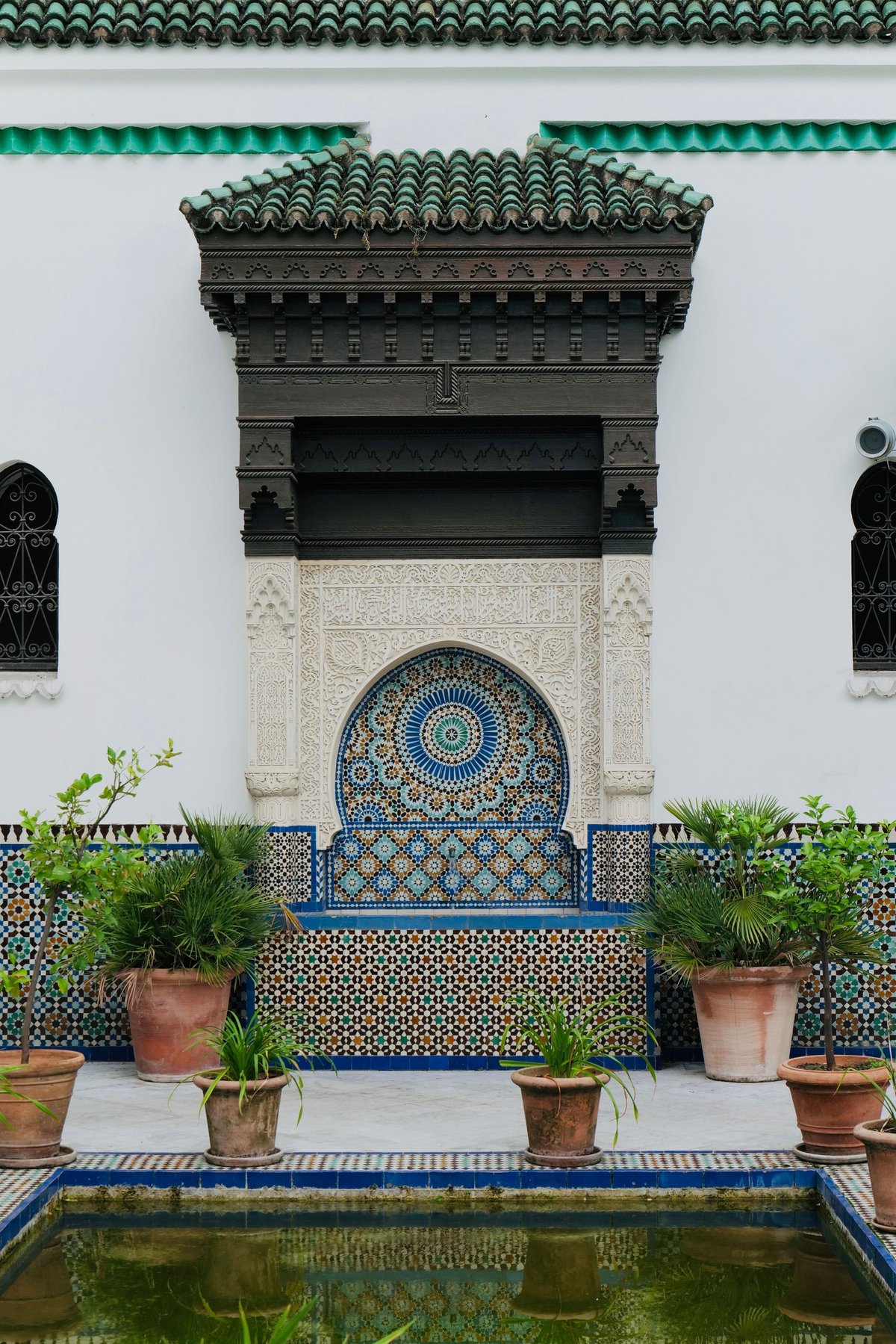
Marrakech medina — renovated riads remain the flagship tourism-driven investment vehicle
Notably, the UAE overtook France as Morocco's largest source of foreign direct investment in 2024, accounting for approximately 19% of total FDI inflows — a structural shift reflecting Gulf capital's growing appetite for Moroccan real estate and infrastructure alongside its traditional European counterparts.
How Investors Are Structuring Their Holdings
Morocco offers several legal vehicles for holding real estate, and the right choice depends on investor type, portfolio size, and whether the strategy is income-focused or capital appreciation-focused.
Direct individual ownership is fully permitted for foreign nationals in urban areas. This is the simplest entry point and is commonly used by lifestyle investors and smaller property purchases. Foreign buyers should be aware that rural land is subject to restrictions under Moroccan law, making urban designation an important verification step during due diligence.
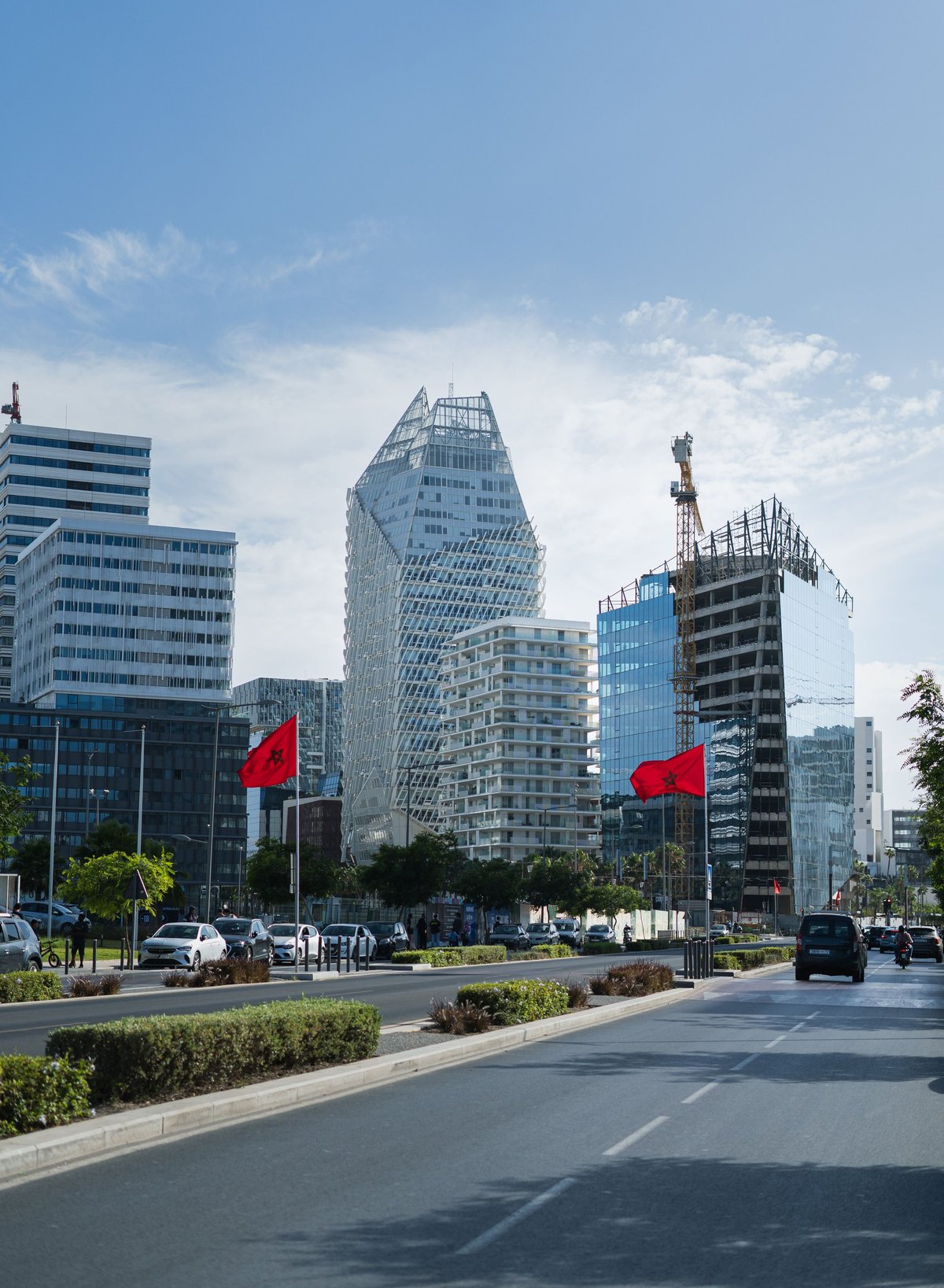
Casablanca's skyline — institutional-grade commercial real estate is anchoring capital flows from Gulf and European investors
The SCI (Société Civile Immobilière) — a civil property holding company — is widely used by investors holding multiple assets or co-investing with partners. The SCI is not permitted to conduct commercial activity; its purpose is purely to hold real estate. Importantly, a major regulatory change took effect in October 2024: Decree No 2-23-100 now requires all SCIs to register in a dedicated Real Estate Civil Companies register, imposes stricter requirements on governance and manager accountability, and gives existing SCIs one year to comply. Any investor using an SCI structure in Morocco needs to verify compliance with this new regime.
The SARL or SA (Moroccan commercial companies) are used by investors who intend to develop, renovate, and sell properties commercially, or who operate hospitality businesses out of their real estate. Unlike the SCI, these structures can engage in commercial activity.
The OPCI (Organisme de Placements Collectifs Immobiliers) — Morocco's REIT framework, established under Law No. 70-14 in 2016 — comes in two forms: the FPI (a co-ownership fund without legal personality) and the SPI (a joint-stock company). Both are designed for portfolio-scale rental investment and must hold at least 70% of assets in real estate. They are managed by an external asset manager approved by Morocco's capital markets authority, the AMMC. The OPCI framework is the vehicle of choice for institutional investors building scaled rental portfolios and is the structure through which Aradei Capital — Morocco's leading listed commercial REIT — operates its OPCI investment in over 100 BMCI bank branches.
For investors syndicating across multiple co-investors, the OPCI is the most structured and regulated option. For family offices or smaller joint ventures, an SCI or SARL holding company under a master structure is more common.
What Investors Need to Know: Law, Tax, and Compliance
Property law and title: Morocco's land registry system is managed by the Conservation Foncière. Title deed verification is non-negotiable — properties without a Titre Foncier (registered title) carry meaningful legal risk. Notary involvement is required for all property transactions and the notary bears responsibility for title verification. Foreign buyers should use a bilingual notary and independent legal counsel.
Foreign ownership and repatriation: Foreign nationals can own property in Morocco in their own name in urban areas. When purchasing with foreign currency, the transaction must be declared to Morocco's Office des Changes. This declaration is what entitles investors to repatriate rental income and sale proceeds back to their home country. If this step is skipped at acquisition, repatriation becomes complicated. Before transferring funds abroad on a sale, a Tax Clearance Certificate (Quittus Fiscal) must be obtained — notaries typically manage this process on the investor's behalf for property sales.
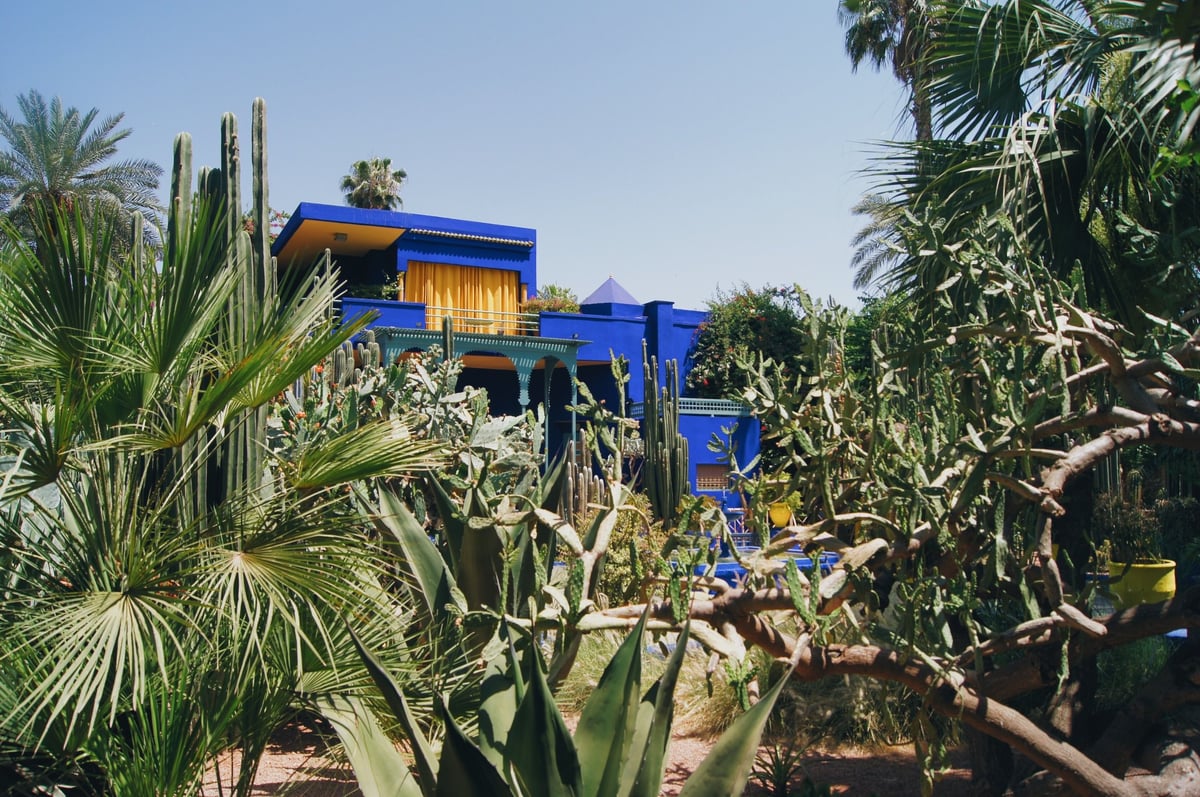
Marrakech — short-term rental licensing and professional property management are now essential for any operating strategy
Transaction costs: Budget approximately 6–7% above the purchase price for transaction costs including notary fees, property registration, and agent commissions.
Capital gains tax: The standard capital gains tax on property sales is 20% of the net gain, with a mandatory minimum of 3% of the selling price regardless of the computed gain. An exemption applies if the property has served as the investor's primary residence for at least six consecutive years. Morocco has signed double taxation treaties with more than 50 countries — including France, Spain, the UK, and the United States — which can reduce effective rates, subject to filing a fiscal residency certificate.
Rental income tax: Individual investors are taxed on rental income under Morocco's progressive income tax rates, but benefit from a 40% deduction on the taxable base before rates apply. From January 2025, individuals can elect a flat 20% tax on rental income under Finance Law 60-24, eliminating the need for an annual return on this income. This simplification is meaningful for non-resident investors who previously faced administrative complexity. Legal entities holding rental property are subject to Morocco's corporate income tax, which is converging toward a 20% flat rate for most companies from financial years beginning in or after January 2026.
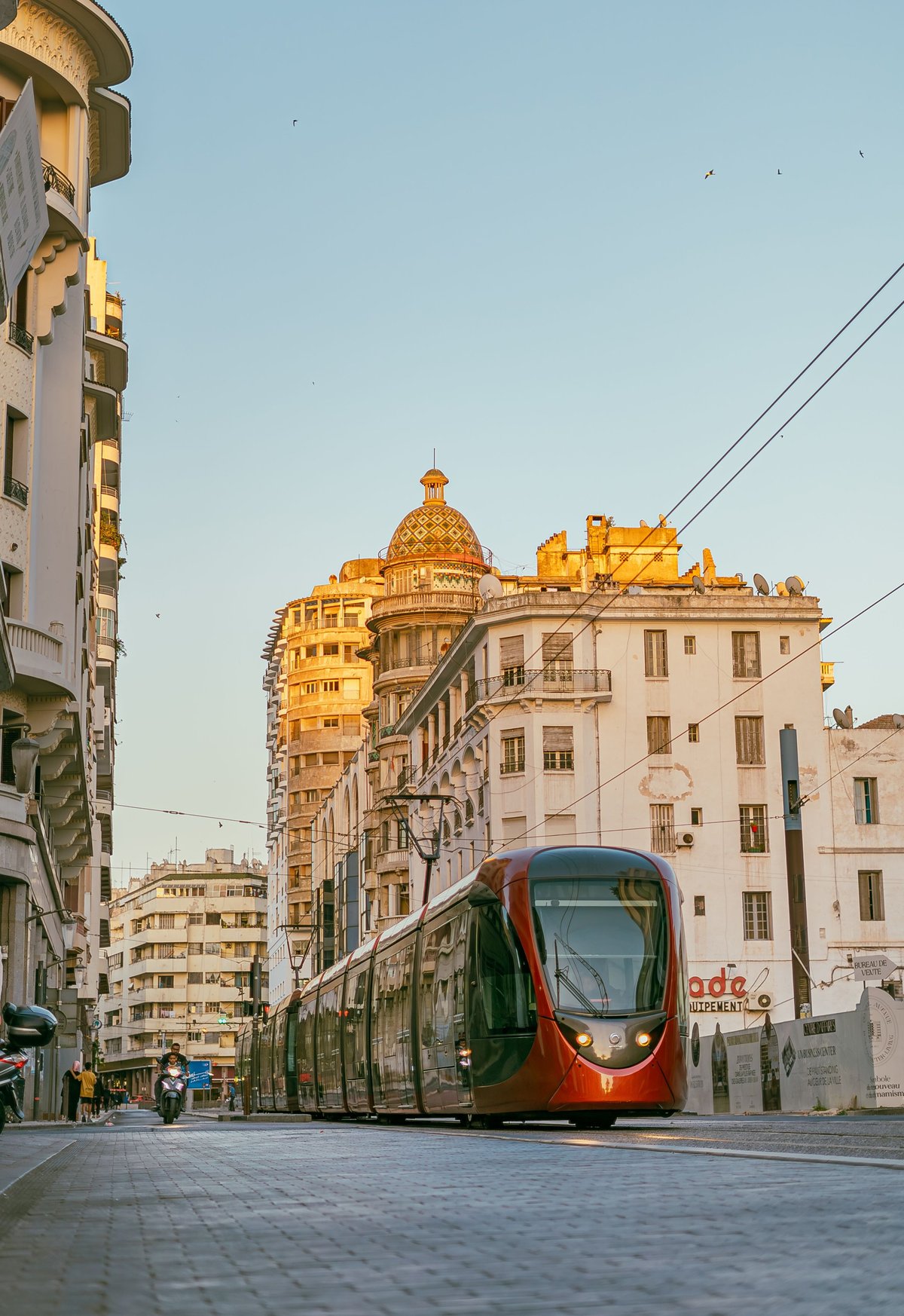
Urban mobility and tram infrastructure — examples of the kind of urban transit investment reshaping North African city centers
Short-term rentals: Operating tourist accommodation in Morocco — including Airbnb-style rentals — requires local authorization under Law 80-14 and its implementing decrees. Enforcement has tightened significantly in Marrakech, Casablanca, and Tangier. Investors running short-term rental strategies should budget for licensing, guest reporting obligations, and professional property management. Operating without the proper authorizations creates legal and financial exposure.
Property management: For non-resident investors, professional property management is not optional — it is the difference between a functioning income asset and an unmanaged liability. In cities like Marrakech, where short-term rental turnover is high and maintenance requirements for riads are significant, the quality of the property manager directly determines yield. In Casablanca and Tangier, long-term corporate tenants are the norm; management is more straightforward but lease enforcement and tenant vetting still require local expertise.
The 2030 World Cup and the Infrastructure Backdrop
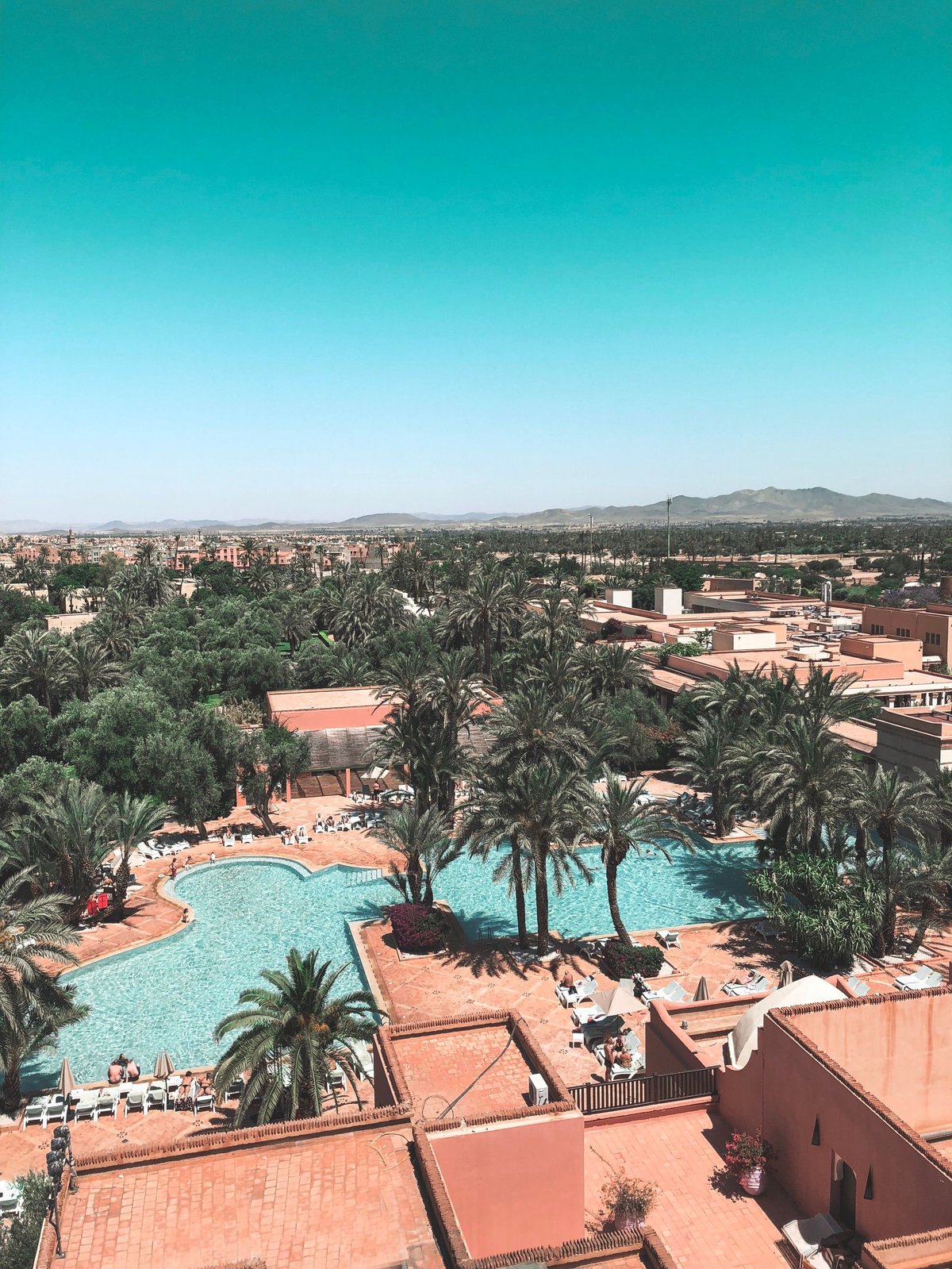
Marrakech and other host cities are scaling hospitality infrastructure ahead of 2030
Morocco's total infrastructure investment tied to co-hosting the 2030 World Cup is estimated at between $5 and $6 billion for Morocco's share alone. The confirmed host cities are Casablanca, Rabat, Tangier, Fez, Marrakech, and Agadir. Key capital commitments currently underway include:
Grand Stade Hassan II in Benslimane, near Casablanca: a 115,000+ capacity stadium costing approximately $500 million, set to become one of the largest in the world
Airport expansion: a $2.8 billion investment program targeting an increase in national airport capacity from 38 million to 80 million passengers annually by 2030, with Mohammed V International in Casablanca among the priority expansions
High-speed rail extension: a $9.6 billion program extending Morocco's existing high-speed rail network to link host cities
Highway upgrades: $1.25 billion across multiple corridors
Port development: $1.6 billion for Dakhla Atlantic Port, targeting expanded trade with Africa and the Americas
This is not World Cup spending that disappears after the tournament. Airport capacity, rail connectivity, and port infrastructure have a 30-year economic life. For real estate investors, the relevant question is not whether the event itself generates return, but whether the underlying infrastructure permanently improves the value proposition of the markets in which they hold assets. The evidence from prior World Cup hosts — South Africa, Brazil, Qatar — is that the infrastructure legacy does produce lasting changes in property demand patterns in host cities, even when the event itself is economically mixed.
The Casablanca Finance City ecosystem deepening, the Casablanca Stock Exchange's recent introduction of derivatives trading, and the broader capital market reforms aligned with the 2030 timeline all point to a market that is professionalizing its infrastructure for institutional investment, not just preparing for a sporting event.
Getting Started
Morocco's real estate market is accessible, legally structured, and increasingly connected to institutional capital. What slows investors down is usually one of three things: title verification issues discovered late in due diligence, incorrect SCI structuring under the new October 2024 regulatory regime, or failure to declare the original foreign currency investment with the Office des Changes — which blocks repatriation years later.
Getting the entry structure right matters more than in some markets because the correction cost is high. Independent legal counsel, a qualified notary, and a tax advisor familiar with Morocco's investment framework are the baseline before committing capital.
Veridian Global Partners advises investors on real estate market entry, project development structuring, and cross-border investment strategy in Morocco and across the GCC and Africa. If you are evaluating Morocco as part of a portfolio or project development strategy, contact us before committing to a structure.
Get In Touch
Contact Us
Article Written By
Martin Kocher
Managing Partner, Veridian Global Partners