
Energy infrastructure — from power plants, solar farms, wind projects, hydroelectric dams, and nuclear facilities — shares one defining financial characteristic: enormous upfront capital costs paid back slowly over decades of operation. This basic profile shapes how nearly every energy project is financed. Rather than a company simply buying an asset outright, energy infrastructure is typically funded through a specialized approach called project finance, built around a few consistent structures. But the details vary significantly depending on the type of generation and whether the project sits in a mature or emerging market. This article explains how these structures work and how they differ.
The Core Structure: Project Finance and the SPV
Most large energy projects are financed on a "project finance" basis, and the central building block is the Special Purpose Vehicle (SPV), sometimes called a special purpose entity (SPE). The SPV is a standalone company created for the single purpose of owning and operating one project. Its role is to isolate the project's assets, liabilities, and cash flows from the balance sheets of the companies that develop it (the "sponsors").
This isolation matters because energy project finance is usually non-recourse or limited-recourse. In a non-recourse structure, lenders are repaid only from the cash the project itself generates, and their collateral is limited to the assets owned by the SPV — the contracts, equipment, and revenue rights. If the project fails to generate enough cash, the sponsors are generally not personally liable for the shortfall beyond their equity investment. This is fundamentally different from corporate lending, where a company's whole balance sheet backs a loan.
The SPV is funded with a mix of debt and equity. Equity comes from the project sponsors and investors; debt comes from banks or other lenders. Energy projects are typically financed with a substantial share of debt, commonly cited in the range of roughly 60–75% of project cost, with equity making up the remainder. The exact ratio depends on how predictable the project's revenue is — more predictable revenue supports more debt.
The Revenue Contract: The PPA
If the SPV is the skeleton of an energy project, the Power Purchase Agreement (PPA) is often its heart. A PPA is a long-term contract, commonly running 10 to 25 years, under which a buyer (the "offtaker") agrees to purchase the power the project produces, usually at a pre-agreed price. The offtaker is frequently a utility, a government entity, or a large corporate buyer.

PPAs and the broader contract package are typically the result of detailed commercial negotiations between sponsors, offtakers, and lenders
The PPA is what makes a project "bankable." Lenders are far more willing to provide non-recourse debt when they can see a long-term, contracted revenue stream from a creditworthy buyer. The three variables lenders scrutinize most are the length of the PPA, the creditworthiness of the offtaker, and the price and volume terms. A weak or short PPA, or an offtaker that may not be able to pay, undermines the entire financing.
Many PPAs split payments into two parts: a capacity charge (a fixed payment that covers the project's fixed costs, debt service, and return on investment) and an energy charge (a variable payment tied to actual power produced, covering fuel and variable operating costs). This split allows risk to be allocated clearly between the parties.
How Structures Differ by Generation Type
While the SPV-plus-PPA framework is common across the sector, each type of generation carries distinct characteristics that shape how it is financed.
Solar and wind are, in many ways, the most straightforward to finance in mature markets. Their fuel or inputs — sunlight and wind — are completely free, so once built they have low and relatively predictable operating costs. This makes their cash flows attractive to lenders, and they are frequently financed through standard project finance backed by long-term PPAs. In the United States, an additional layer is common: tax equity structures, where specialized investors provide capital in exchange for the federal tax credits (such as the Investment Tax Credit or Production Tax Credit) and accelerated depreciation benefits these projects generate. This adds complexity but is a major source of capital for US renewables. A related structural point is that variable output — the sun sets and the wind drops — increasingly makes battery storage a companion investment, though standalone battery projects are a newer and still-maturing financing category.
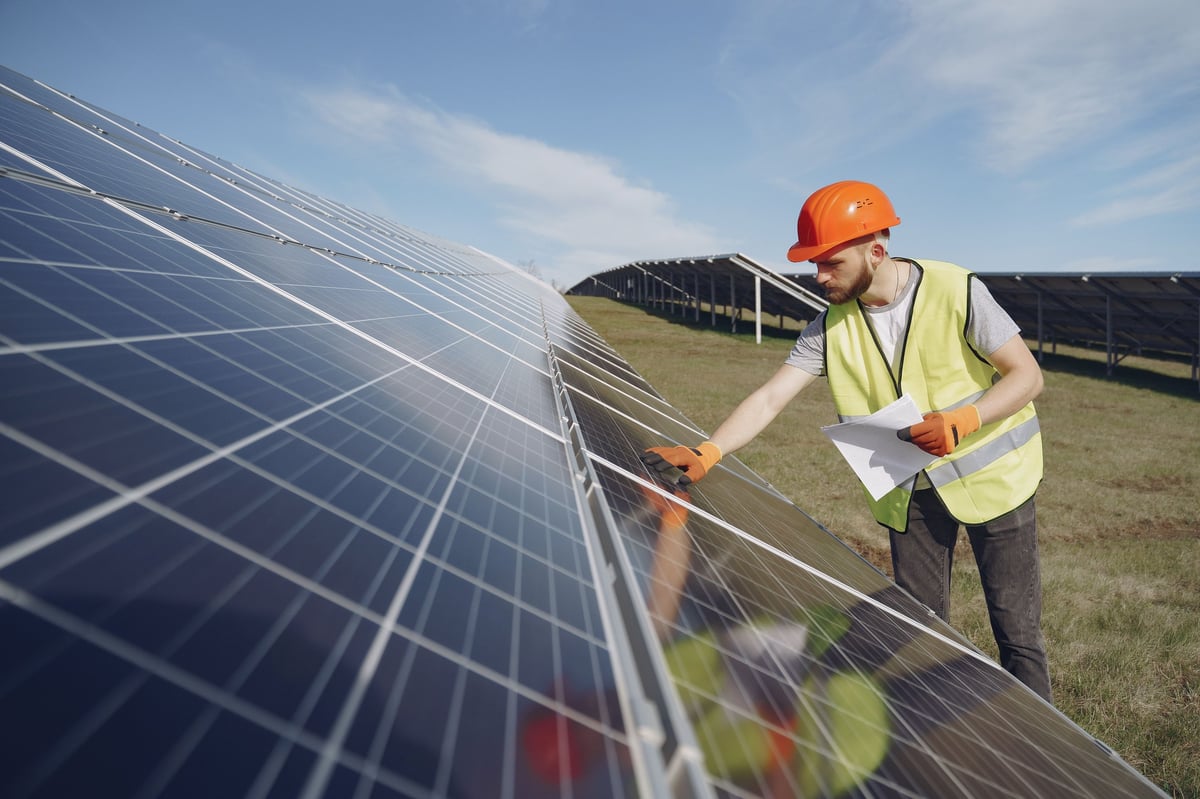
Solar projects combine low operating costs with predictable, long-term revenue — a profile lenders and tax equity investors are particularly comfortable underwriting
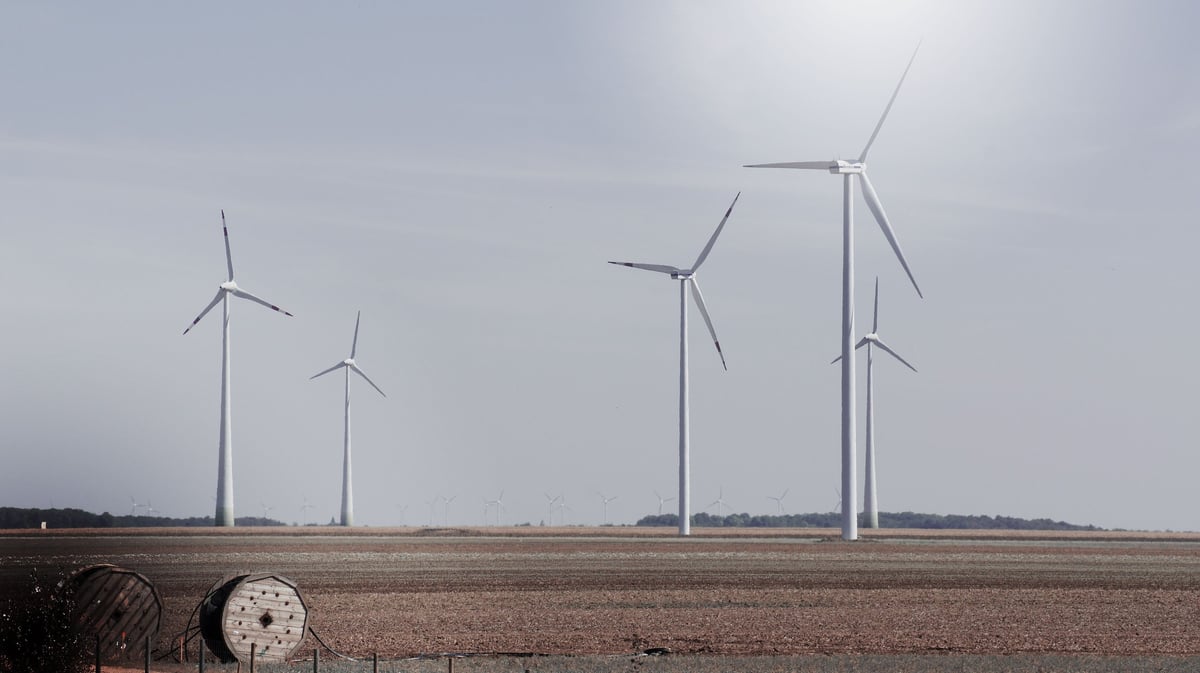
Onshore wind farms like these are typically financed through the same project finance framework as solar — long-tenor PPAs paired with non-recourse debt
Natural gas and other thermal plants are financed through non-recourse debt backed by long-term contracts, which may take the form of a PPA or a "tolling agreement" (where an offtaker pays for the right to run the plant and supplies its own fuel). A key difference from renewables is fuel risk: because these plants burn fuel, their economics depend on fuel costs, and structures must account for that variability. Increasingly, longer-term transition and carbon-pricing risks are also factored into how these assets are valued and financed.
Hydropower projects tend to be large, long-lived, and highly site-specific. Because they often involve dams, reservoirs, and significant environmental and social considerations, they frequently require long concession arrangements with governments and involve public as well as private capital. Their very long operating lives can support long financing tenors, but the upfront construction and environmental complexity is substantial.
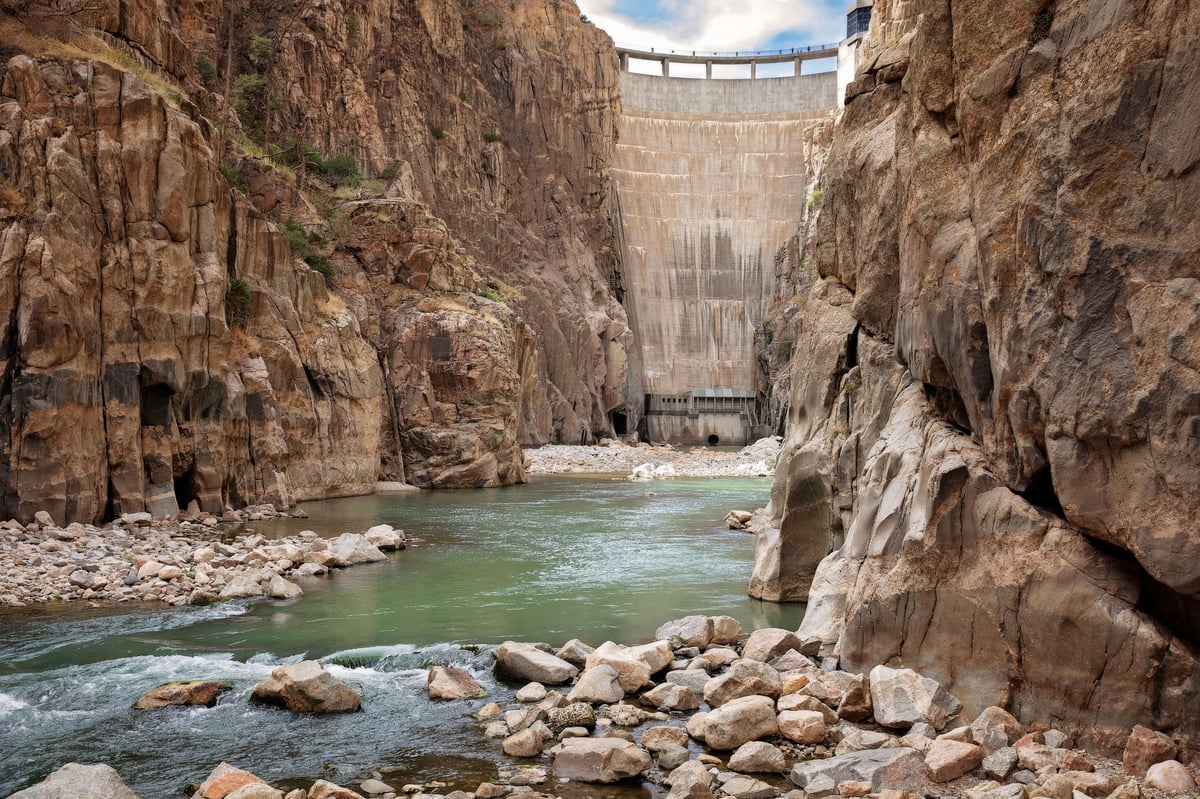
Hydropower projects combine very long asset lives with high upfront construction and environmental complexity — and almost always require a long-term government concession
Nuclear is the most difficult of all to finance with private capital alone, and the reasons are well documented. Nuclear plants combine very high upfront capital costs, very large project sizes, and long construction periods — a combination that private lenders find hard to underwrite on a purely non-recourse basis. Historically, most nuclear plants were built in regulated markets where returns were secured through regulated electricity tariffs. In deregulated markets, where power prices are less predictable, financing new nuclear is especially challenging. As a result, nuclear projects almost always rely on some form of government support. Common mechanisms include government loan guarantees, the Regulated Asset Base (RAB) model (which allows the developer to recover costs during construction), Contracts for Difference (which stabilize the price received for power), and vendor-supported models such as Build-Own-Transfer, where the reactor supplier helps finance and build the plant before transferring it to the operator. The consistent theme across nuclear finance is that projects generally become bankable only when a government helps de-risk the investment.
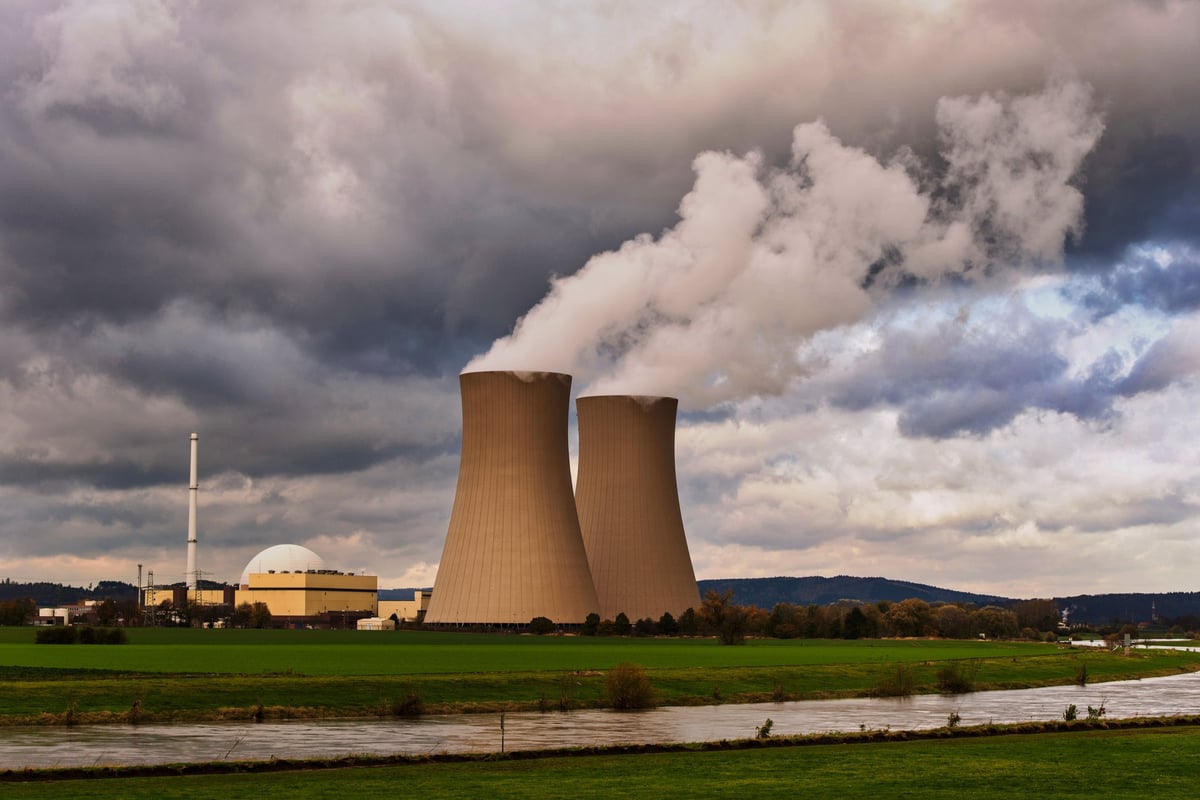
Nuclear projects almost always require some form of government support — loan guarantees, RAB, or vendor-financed models — to become financeable with private capital
Mature Markets vs. Emerging Markets
Beyond the type of generation, the market environment shapes structure profoundly.
In mature markets, such as North America, Western Europe, and Australia, the legal frameworks, regulatory bodies, and financial institutions needed for project finance are well established. Contracts are enforceable, offtakers are often creditworthy, currency is stable, and there is deep liquidity from banks, infrastructure funds, and institutional investors such as pension funds. This allows for relatively standardized structures, competitive debt pricing, and sophisticated additions like tax equity. The main risks investors focus on are execution, technology, and market or price risk.
In emerging markets, the fundamentals of project finance are the same, but several additional risks must be structured around. Offtakers are frequently state-owned utilities whose creditworthiness may be weaker, so PPAs are often backed by additional protections. Currency risk is significant: revenues may be earned in local currency while debt is owed in foreign currency, creating exposure if exchange rates move. Political and regulatory risk — the possibility that governments or policies change — is higher.
To manage these risks, emerging-market energy projects frequently rely on support that mature-market projects may not need. This commonly includes participation from development finance institutions and multilateral lenders, sovereign guarantees or government backing for the offtaker's payment obligations, and political risk insurance that protects investors against events like expropriation or currency inconvertibility. Concession-based structures, in which a government grants a private party the right to build and operate an asset for a defined period, are also common. These mechanisms exist to bridge the gap between the higher perceived risk of the market and the long-term certainty that private lenders require.
Bringing It Together
The full picture across generation types and market contexts is summarized below — from solar and wind at the lower-complexity end, through thermal and hydropower, to nuclear as the most government-dependent structure of all.
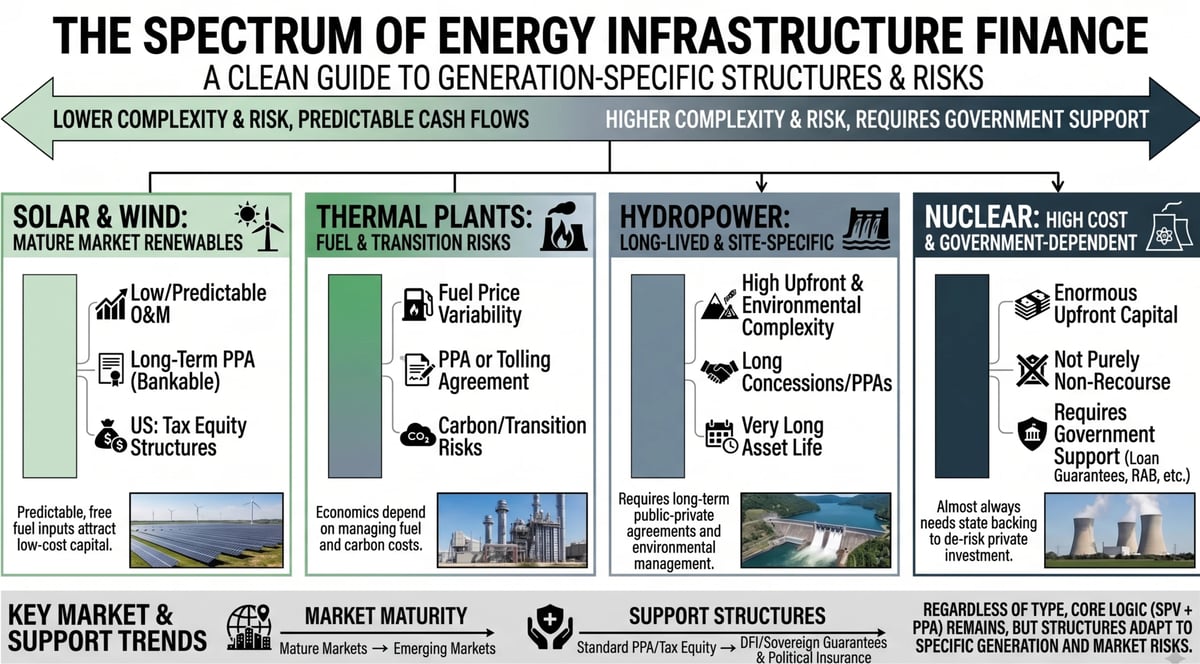
The full spectrum of energy infrastructure finance — generation type, risk profile, and the structures that make each one bankable
Across all of these variations, the underlying logic of energy infrastructure finance stays consistent. A dedicated project company isolates risk. Debt and equity fund the build. A long-term revenue contract with a creditworthy buyer makes the project bankable. And risk is allocated, contract by contract, to whichever party is best positioned to manage it. What changes from one project to the next is the detail: solar and wind lean on predictable low-cost output and, in the US, tax incentives; thermal plants must manage fuel and carbon risk; hydropower depends on long concessions; nuclear depends heavily on government support; and emerging markets layer in currency, political, and offtaker protections that mature markets often take for granted.
Understanding these structures is essential for anyone evaluating how private capital flows into the assets that power the global economy, and how the world's substantial infrastructure investment needs might be met by combining public frameworks with private capital.
Disclaimer: Nothing in this article constitutes investment, legal, tax, or financial advice. The structures and mechanisms described are general references based on widely used industry frameworks; actual terms vary materially by project, sponsor, lender, offtaker, and jurisdiction. Anyone evaluating a specific energy infrastructure investment should rely on qualified professional advice and the actual transaction documents.
Get In Touch
Contact Us
Article Written By
Martin Kocher
Managing Partner, Veridian Global Partners