
When Iranian missiles first struck at targets across the Gulf on February 28th, the international headlines wrote that the UAE would revoke its title as a global safe haven. Over a month later, the data tells a different story.
The UAE has intercepted more than 2,000 missiles and drones since the beginning of hostilities — more than any other country involved in the conflict — according to the UAE Ministry of Defence. Despite the hostility, daily life in the Emirates has not stopped. Residents go to work, investors evaluate deals, and flights continue to land. The UAE's crisis response is not just protecting its population; it is reinforcing the case for doing business here.
The Immediate Action by the UAE Government
Within 24 hours of the first attacks, every Emirate government offered to cover lodging and meals for stranded passengers with no preconditions or delays. The message was clear: we take care of the people on our soil.
In the first days of the conflict, the Ministry of Defence confirmed that the country's layered air defense systems were operational and performing. The messaging was transparent and specific. Concrete reporting on intercept rates and the status of national defenses was reported daily by the Ministry. Multiple outlets also explained the functionality of the air defences, including how they worked.
Then came the moment that made international headlines. Within a week after the first intercepts on March 2nd, His Highness Sheikh Mohammed bin Zayed Al Nahyan, President of the UAE and Ruler of Abu Dhabi, walked through Dubai Mall and spoke with residents and tourists. He did not state from behind a podium or from behind armed security. He showed up where people live their daily lives and demonstrated, in person, that the country was functioning.
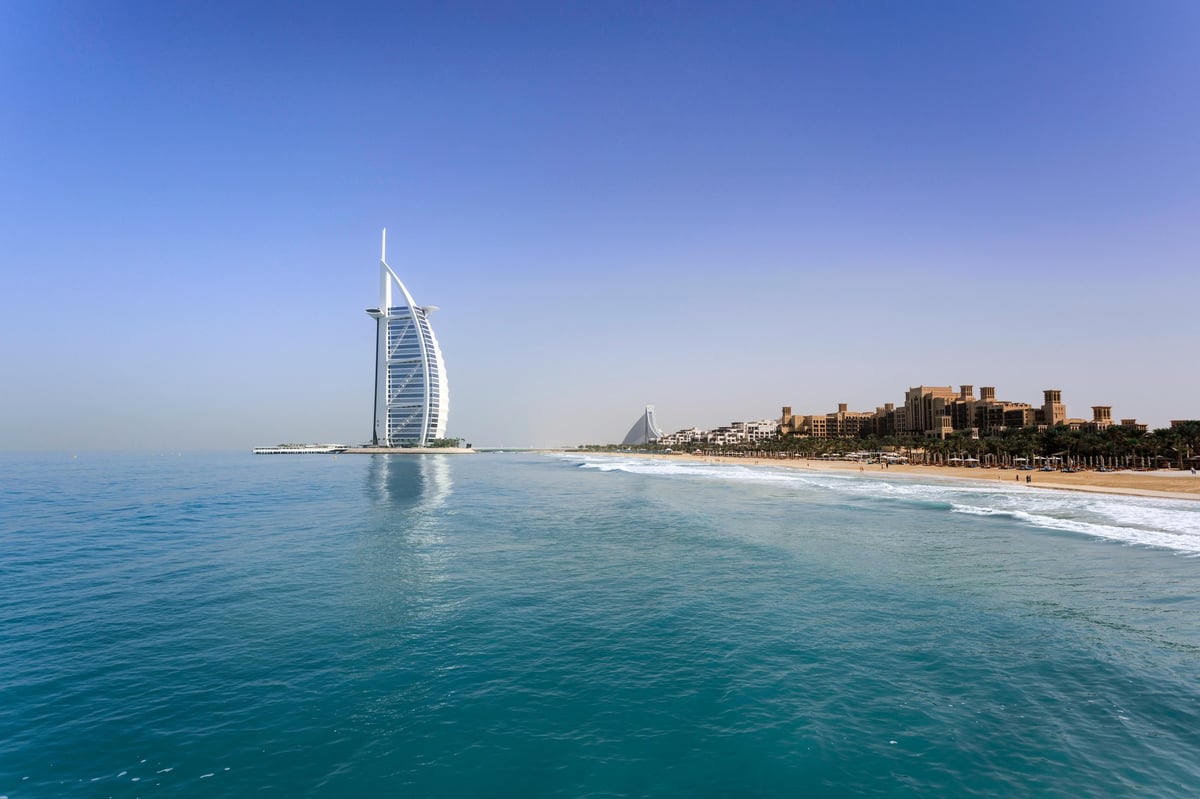
Dubai — daily life has continued uninterrupted despite sustained regional hostilities
That visit was not a photo opportunity. It was a signal — to residents, to investors, and to the world — that the UAE's leadership stands in public when the pressure is highest.
Communication as Critical Infrastructure for Crisis Management
Since the beginning of hostilities, the Ministry of the Interior has operated a real-time civil defense alert system, transmitting notifications to all cellular devices in the country when hostile objects enter UAE airspace. The alerts advise residents to take precautions. Once the threat is neutralized, a follow-up notification confirms that normal activities may resume.
When damage does occur, and it has been exceptionally rare, the Ministry of Defence reports the number of objects intercepted, any collateral damage, and the number of persons affected. This is not selective disclosure or an attempt to cover up the reality of the situation. It is systematic, ongoing transparency that gives the public a reason to trust official channels over speculation.
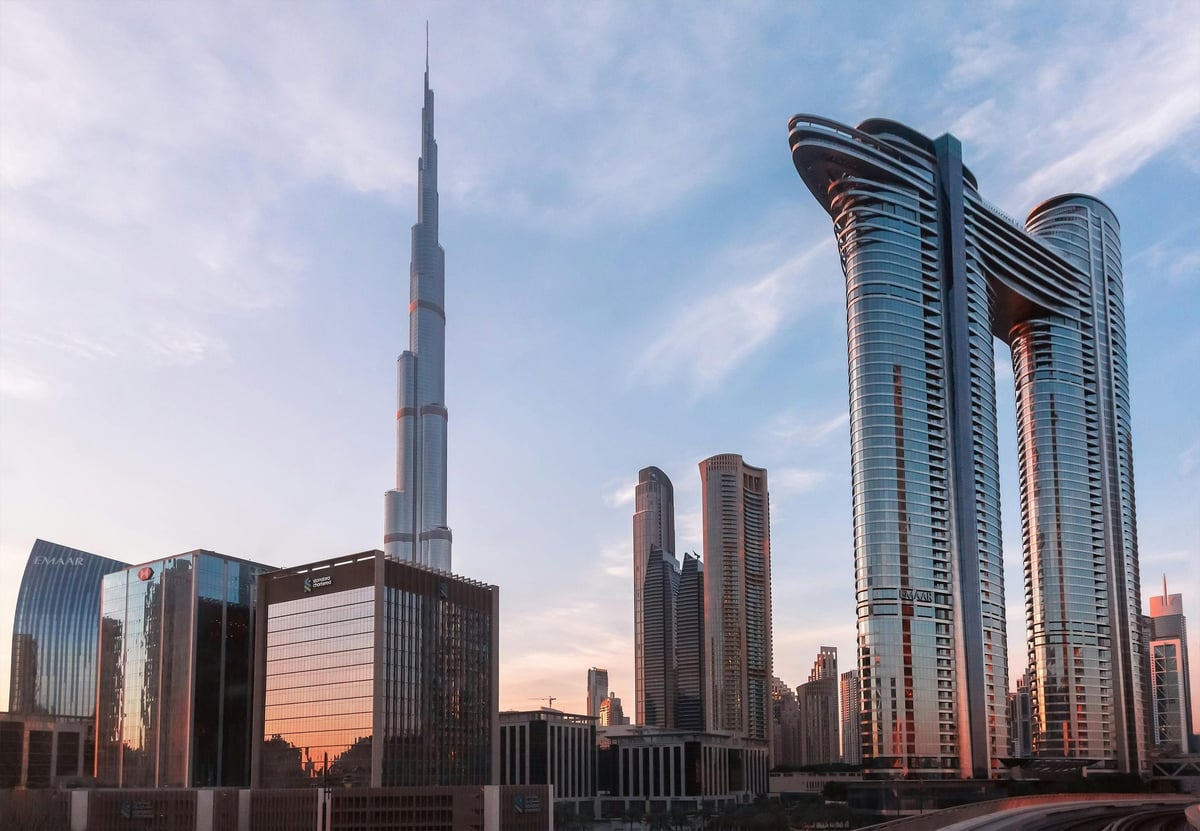
Downtown Dubai — operations across the financial district have continued without disruption
The government has also set clear expectations for how the public should behave. Sharing images of military operations, spreading unverified information, and inciting panic online all carry steep penalties. The Dubai Police summarizes the principle simply: responsibility begins with compliance. These are not restrictions on speech for its own sake. They are measures designed to prevent the cascading failures — bank runs, hoarding, capital flight — that uncontrolled panic produces. In a crisis, information discipline is as important as air defence in upholding national security.
Why This Matters for International Investors
For international investors, the question during any regional crisis is straightforward: can the host government protect my assets, enforce my contracts, and maintain the conditions under which business operates? The UAE is answering that question in real time.
The same institutional discipline that built the UAE's regulatory infrastructure — predictable courts across multiple legal traditions, transparent government services, strict Know-Your-Client procedures aligned with international anti-money laundering standards — is the discipline now managing a sustained military threat. These are not separate capabilities, but rather demonstrate administrative competence across domains. A government that can digitize its court system and build globally competitive free zones is the same government that can operate layered air defenses and maintain public order under fire.
The regulatory environment continues to function. Free zones remain operational. Corporate structures remain intact. For investors evaluating long-term exposure to the Gulf, the question is no longer whether the UAE can handle adversity. The current conflict is providing the answer and is building on its previous precedent in crisis management.
A notable recent example of an investor setting up an office in the UAE is the Singaporean Alternative Investment Manager Hillhouse Investment: https://www.adgm.com/media/announcements/hillhouse-investment-opens-new-office-in-abu-dhabi
What the World Is Watching
The resilience the UAE is displaying is a capability demonstration that no marketing campaign could replicate. The country has absorbed sustained missile and drone attacks from a regional adversary and maintained relative normalcy. Residents report feeling safer in the UAE during the conflict than they would in their home countries — a sentiment that speaks to the tangible difference between a government that communicates clearly and one that does not.

Abu Dhabi at sunset — flights continue to operate, capital continues to move
The implicit message to the international community is not that the UAE is immune to threats. Far from it, and for the record, no country is. The message is that when threats materialize, the Emirates respond with speed, transparency, and strategic composure, and that the institutional infrastructure protecting residents is the same infrastructure protecting foreign investor capital.
The proactive policies that define the UAE's crisis management — immediate action, transparent reporting, and visible leadership — are not improvised responses. They are the product of a governance model built to withstand disruption. For investors evaluating where to allocate capital in an uncertain region, the UAE's performance under sustained threat is the most credible signal available.
H.H. Sheikh Mohammed bin Rashid Al Maktoum once said, "Storms don't shake us. They remind us who we are." Over a month into this conflict, the Emirates are proving exactly that.
To those curious about the opportunities or have any questions about the UAE or the Gulf, feel free to reach out to us.
Get In Touch
Contact Us
Article Written By
Martin Kocher
Managing Partner, Veridian Global Partners