
When President Trump visited the UAE in May 2025, the instinct was to frame it as diplomacy. It was more than that. For American businesses and investors, it was a signal — the kind that shifts perception from "interesting market" to "serious destination."
I was invited by Abu Dhabi Media to offer commentary on the visit alongside fellow American expat and longtime UAE resident Stewart Kirkham. My position was straightforward: a presidential visit functions as both a validation and a catalyst. The fundamentals that make the UAE attractive to American capital were already there. Trump's presence simply made them harder to ignore.
Here are the three things I think matter most for US investors watching this relationship develop.
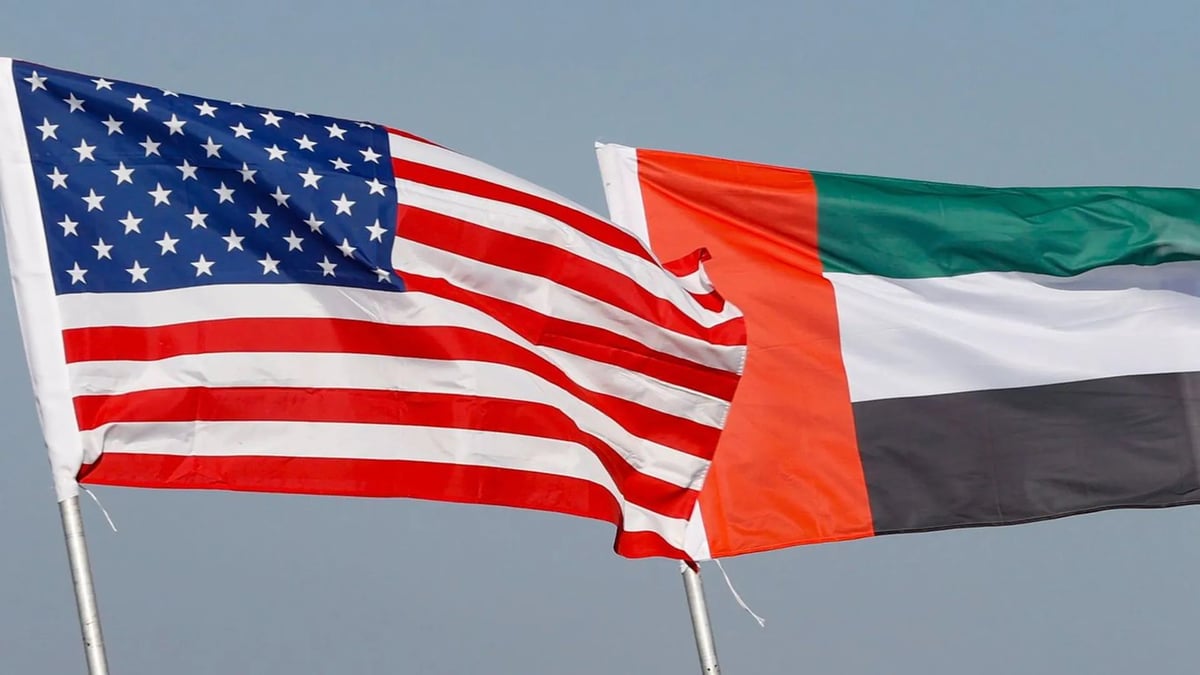
US and UAE flags — symbolizing the strengthening bilateral relationship
The UAE Is a Neutral Base in an Unstable World
The UAE's political neutrality is one of its most underappreciated assets. At a time when global investors are navigating tariff uncertainty, currency volatility, and shifting alliances, the Emirates offers something genuinely rare: a stable, forward-looking operating base with no meaningful geopolitical exposure. It maintains productive relationships across the US, China, Europe, the Gulf, and Africa simultaneously — and that balance is deliberate.
For American real estate investors, founders, and families exploring second residency, Trump's visit reinforced what the numbers already show: UAE real estate recorded AED 522.5 billion in transaction volume in 2024, with rental yields reaching up to 11% in some segments. This isn't a speculative market. It's a market with structural demand, a US dollar-pegged currency, and sovereign-level institutional backing.
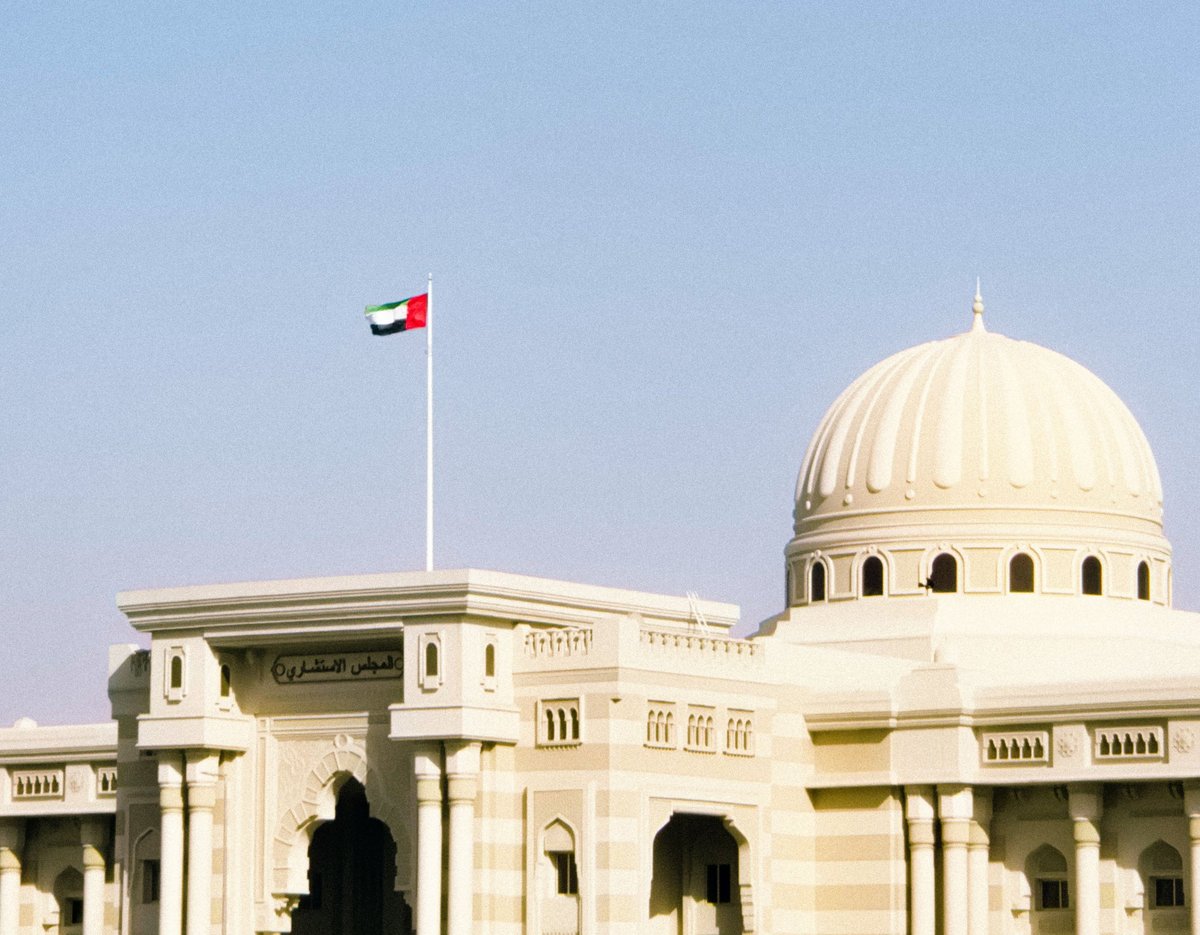
Gulf institutional architecture — the regional context in which US capital is being deployed
DIFC and ADGM Are Now Competing With the World's Top Financial Centers
The UAE's financial free zones — DIFC and ADGM — offer zero tax on capital gains and dividends, common law frameworks, and streamlined fund structuring. These aren't just attractive features; they are the reason BlackRock has set up in DIFC and Bridgewater Associates in ADGM. US fund managers are already running Delaware and Cayman feeder structures into UAE-based master funds to access Gulf, African, and South Asian growth corridors. The institutional capital infrastructure is in place.
Trump's visit, and the $1.4 trillion UAE investment commitment to the US announced around it, accelerates this. American family offices and fund managers who were watching from a distance now have a stronger case to act.
The UAE Is a Platform, Not Just an Export Market
The announcement of a 5GW UAE-US AI campus — which will be the largest AI infrastructure project outside the United States — reflects something broader. The UAE is not a market American companies sell into. It is a platform they operate from. The G42 partnership, the presence of Mayo Clinic and American Hospital Dubai in healthcare, and the "Make in the Emirates" campaign across manufacturing all point to the same logic: the UAE is building sector by sector, and aligning with US partners at each step.
Bilateral US-UAE trade reached $34.4 billion in 2024, with a $19.5 billion surplus in America's favor. That is not a relationship of dependency — it is one of complementarity. And with 80% of the global population within an eight-hour flight of the UAE, the scale of what can be accessed from here is difficult to replicate anywhere else.
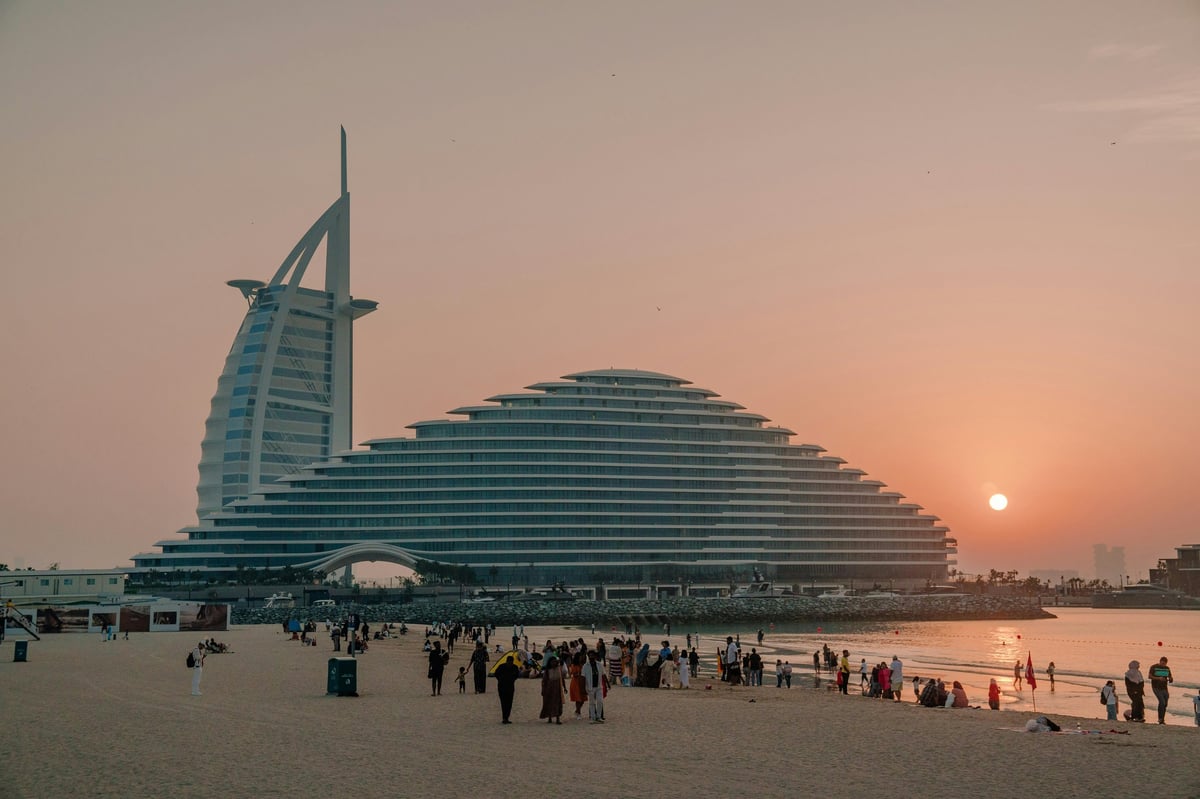
Dubai — a global platform for tourism, capital, and US partnerships
What It Means Going Forward
The US-UAE relationship has moved from friendly to foundational. For American investors who have been watching the UAE with interest but haven't yet engaged, the conditions — regulatory, fiscal, diplomatic — are as favorable as they have been. The question is whether you're positioned to move when the right opportunity appears.
At Veridian Global Partners, we work with investors and businesses navigating the GCC and broader emerging markets. If the UAE is part of your strategy — or should be — we're glad to have that conversation.
To review my commentary in Al Etihad, please click the link below: Trump visit solidifies UAE's position as global stakeholder — Al Etihad
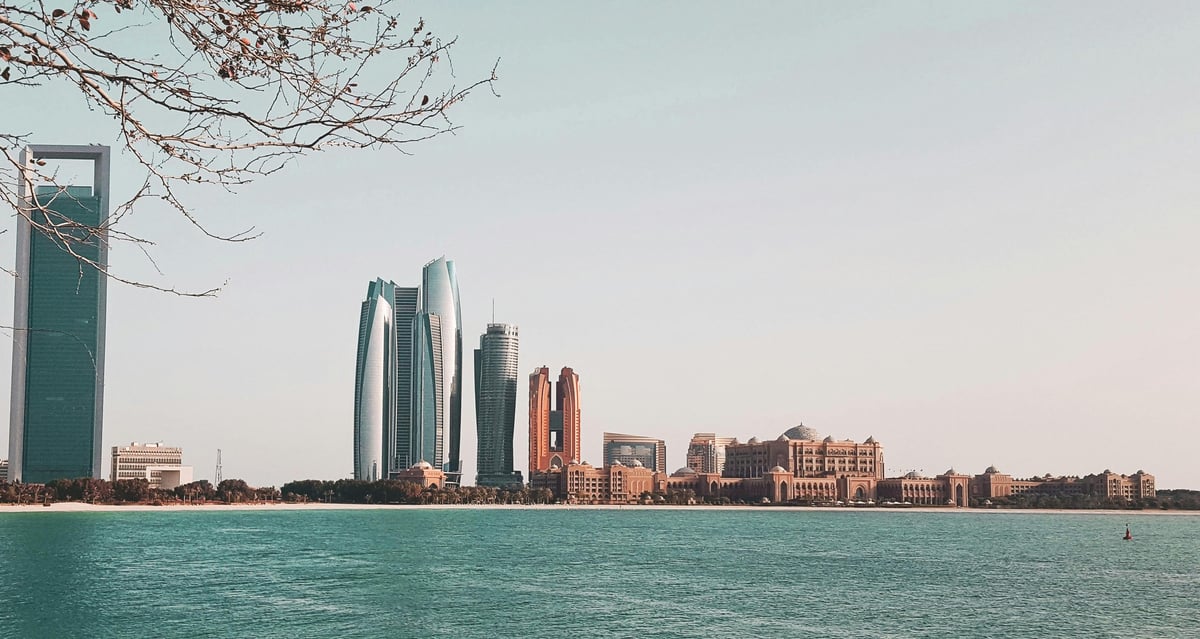
Abu Dhabi skyline — the financial and institutional capital of the UAE
Get In Touch
Contact Us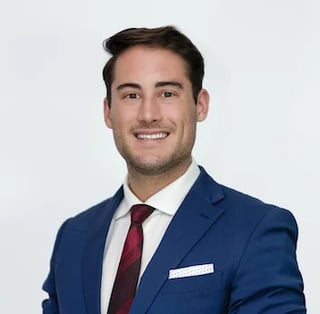
Article Written By
Martin Kocher
Managing Partner, Veridian Global Partners