
Most coverage of Morocco's energy story focuses on the headline mega-projects such as the giant Noor solar complex near Ouarzazate, the large wind farms, and more recently the green hydrogen ambitions. But for private developers and investors, the more consequential development is quieter and more structural: over the past fifteen years, Morocco has progressively opened its renewable energy market to private producers, including medium-sized hydropower and smaller renewable installations. Understanding how this legal framework evolved — and where it still has limits — is essential for anyone evaluating energy investment in the Kingdom.
This article walks through what actually changed, correcting a few common misunderstandings about the timeline along the way.
The Foundation: Law 13-09
Morocco launched its national renewable energy strategy in 2009, and the cornerstone legislation — Law 13-09 — was promulgated on 11 February 2010.
Law 13-09 was a genuine turning point. Before it, the national utility ONEE (Office National de l'Électricité et de l'Eau Potable) held an effective monopoly over electricity generation. Law 13-09 broke that monopoly for renewables, allowing private companies to generate electricity from renewable sources — solar, wind, and hydro — and to sell it either to large consumers or through the national grid. It also granted private developers a right of access to the transmission network and, notably, allowed renewable electricity to be exported.
The law set up different regulatory treatment depending on project size: larger projects require formal authorization, while smaller installations fall under a lighter notification or declaration regime. This tiered approach was designed to make smaller renewable projects easier to bring online.
The Hydro Detail That Matters
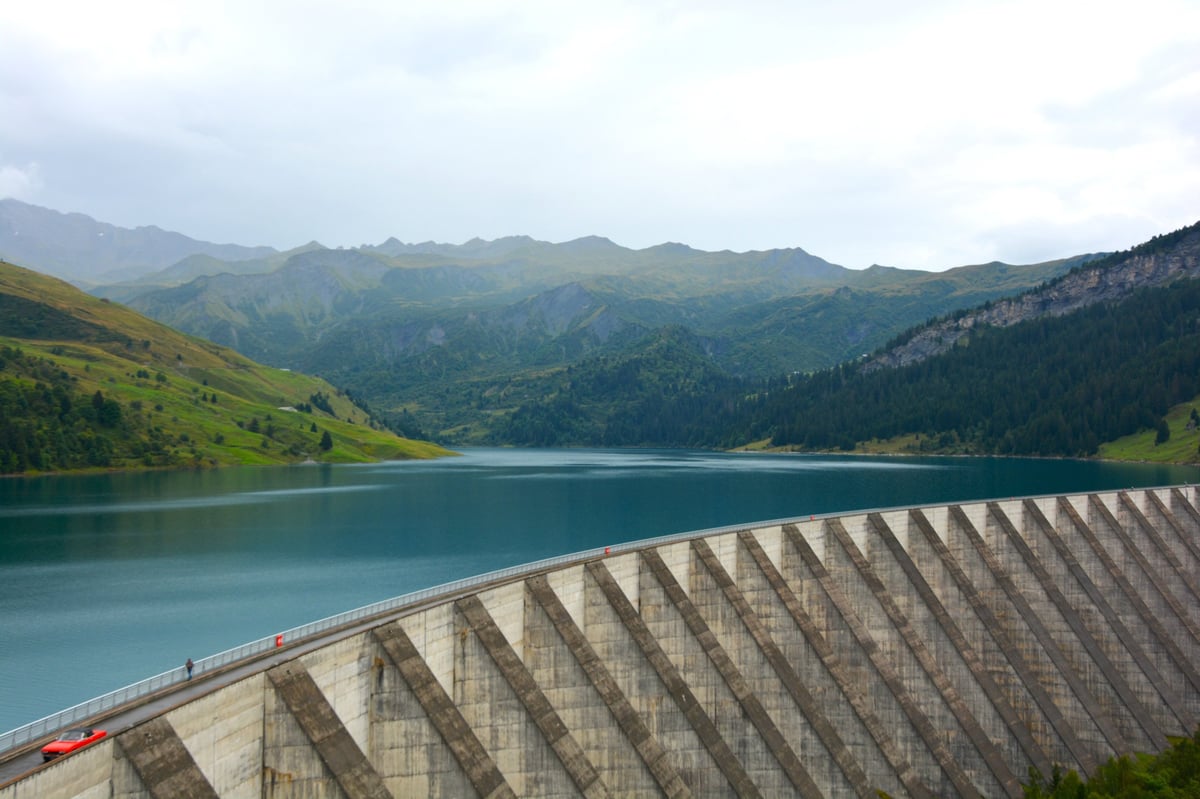
Here is where precision is important, because the specifics are frequently muddled. Law 13-09 did not open all hydropower to private developers. In its original 2010 form, it covered hydroelectric installations only up to a modest ceiling — the framework excluded larger hydro plants, reserving them for the state. Several sources place the original threshold at 12 MW.
This is the key structural point: Morocco opened small and medium hydropower to the private sector, while keeping large hydro under state control. For private developers, the opportunity was always in the smaller, distributed end of the hydro market — not the major dams.
The 2015–2016 Amendment: Law 58-15 and Net Metering
The second major step came with Law 58-15, which amended and supplemented Law 13-09 and was published in the Official Bulletin in early 2016. It made several changes that expanded the opening for private developers.
First, it raised the hydropower threshold from 12 MW to 30 MW, meaningfully enlarging the band of medium-sized hydro projects available to private developers. This is the single most important change for anyone focused specifically on hydropower.
Second, it introduced a net-metering scheme for solar and wind, and opened access to the low-voltage distribution network — something the original 2010 law had not provided. Under this framework, private generators gained the right to sell their surplus electricity back to the grid, subject to a cap: no more than 20% of their annual production. It is worth being precise here, too — the net-metering mechanism was introduced through this 2015–2016 amendment, not the original 2009–2010 law, and its detailed operating conditions were left to be set by subsequent regulation.
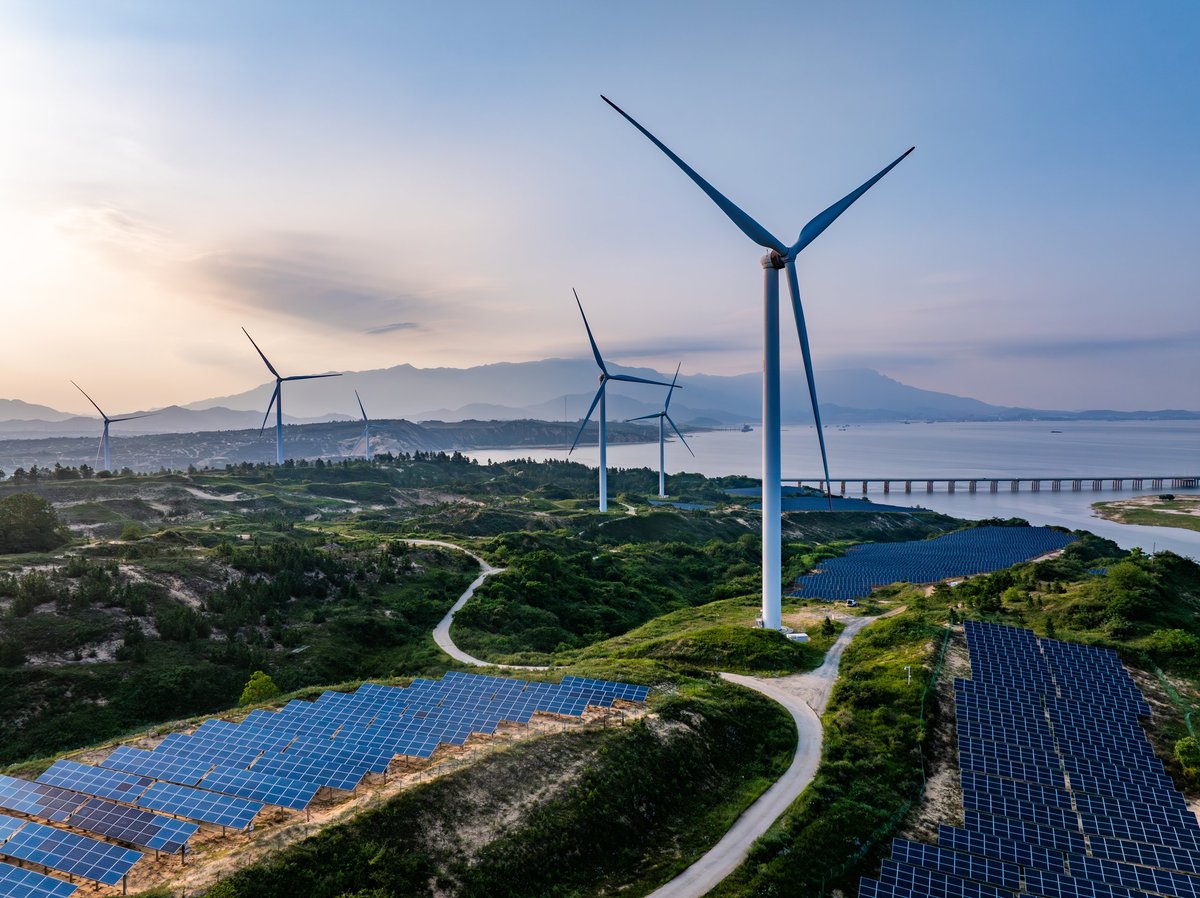
Together, these two changes — a higher hydro ceiling and a surplus-sale mechanism for smaller renewables — are the substance of what "opening to private developers" actually means in the Moroccan context.
Why This Matters for Investors
The significance of this framework is not that it created a free-for-all. It did not. Morocco's opening has been gradual and carefully managed, and the state, through ONEE and the sustainable-energy agency MASEN (Moroccan Agency for Sustainable Energy), remains central to the sector. Rather, the significance is that Morocco built a predictable, rules-based pathway for private capital to enter renewable generation — including segments, like medium hydro and smaller distributed projects, that are often overlooked in favor of utility-scale solar and wind.
For developers and investors, several practical points follow from the framework as it stands:
The opportunity in hydro sits below 30 MW. The private pathway is designed for small and medium hydro, not large dams. Investors evaluating hydro should calibrate project scale to the legal threshold.
Surplus sales are capped. The 20% annual limit on selling excess production back to the grid shapes the economics of self-generation and smaller projects. The business case cannot assume unlimited offtake to the grid.
Project size determines the regulatory path. Larger projects face a formal authorization process; smaller ones fall under lighter regimes. Where a project sits in that structure affects both timeline and complexity.
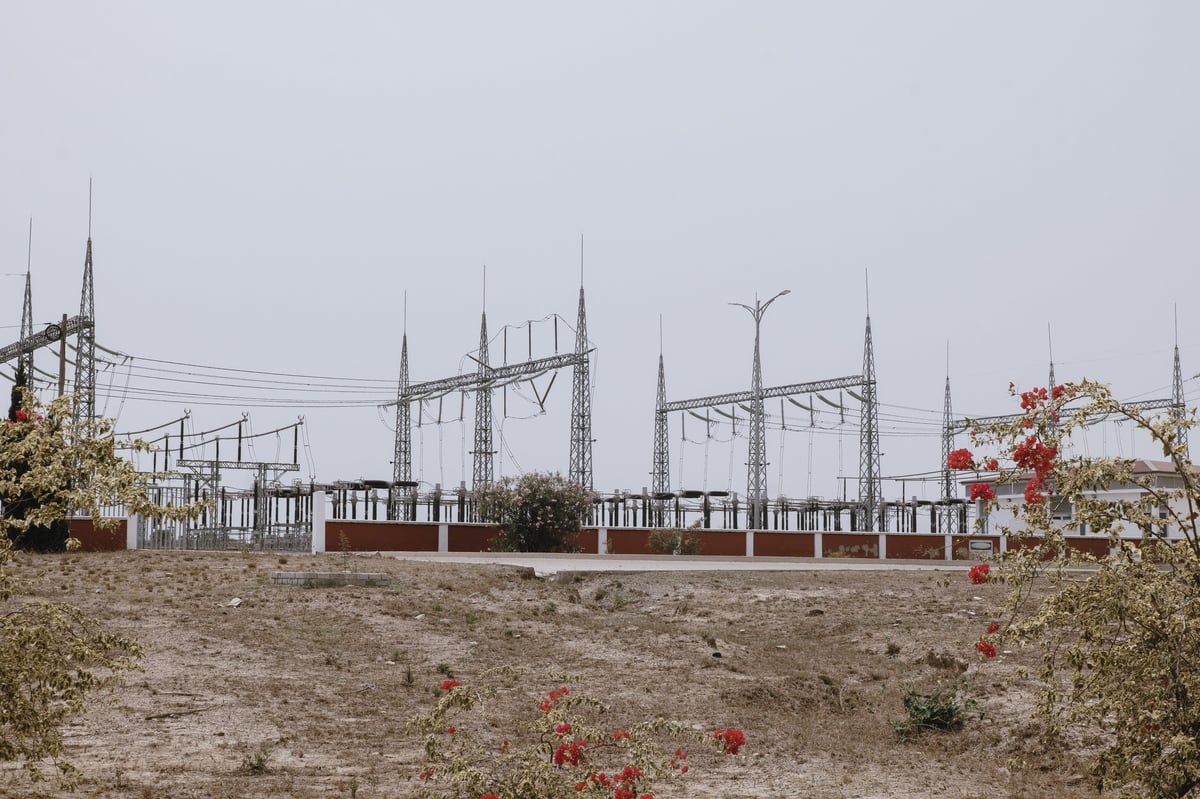
The framework is still evolving. Morocco has continued to amend the law — most recently with a 2023 reform (Law 40-19) aimed at simplifying authorization and grid-access procedures after more than a decade of experience revealed bottlenecks. Anyone structuring a project today should work from the current consolidated framework, not the original 2010 text.
The Bigger Picture
Morocco has set a national target of sourcing a majority of its installed electricity capacity from renewables by 2030, and the private sector is explicitly built into how it intends to get there. The legal opening that began with Law 13-09 and widened with Law 58-15 is the mechanism that makes private participation possible. For investors tracking North Africa's energy transition, the lesson is that the real opportunity is not only in the headline gigawatt-scale projects, but in the medium and smaller segments that a carefully sequenced set of legal reforms has gradually made accessible.
The framework rewards developers who understand its thresholds and limits precisely — and who structure projects to fit the pathway Morocco has actually built, rather than the one assumed from the headlines.
Disclaimer: Nothing in this article constitutes investment, legal, tax, or compliance advice. Regulatory frameworks and thresholds in Morocco change over time and vary by project type. Anyone evaluating an energy investment or project structure in Morocco should rely on qualified professional advice and the current official regulations at the time of their decision.
Get In Touch
Contact Us
Article Written By
Martin Kocher
Managing Partner, Veridian Global Partners